Agricultural germplasm resources such as crops, livestock, aquatic products, and agricultural microorganisms are the basis for the selection and breeding of new varieties, the carrier of genetic information from one generation to the next, and one of the important resources indispensable for human survival. my country has a long history of agriculture and extremely rich germplasm resources. These resources are the most important agricultural heritage in my country and even in the world. Among them, some local varieties are as endangered and rare as giant pandas.
In 2020, the "Opinions of the General Office of the State Council on Strengthening the Protection and Utilization of Agricultural Germplasm Resources" (hereinafter referred to as the "Opinions") was officially issued. The "Opinions" proposed that by 2035, a systematic, complete, scientific and efficient agricultural germplasm resource protection and utilization system will be established, the total amount of resource preservation will be among the best in the world, rare, endangered and unique resources will be effectively collected and protected, the level of in-depth identification and evaluation of resources and comprehensive development and utilization will be significantly improved, and the innovative utilization of resources will reach the international advanced level. Recently, the reporter of the Farmers' Daily and China Agricultural Network interviewed Wei Hailei, the chief scientist of the Agricultural Microbial Resources Team of the Chinese Academy of Agricultural Sciences, on the protection and utilization of agricultural microbial germplasm resources.
Reporter: Food security is the foundation of the world, and seeds are the cornerstone. Seeds are the "chips" of agriculture and the source of ensuring national food security and high-quality development of agriculture and rural areas. The "Opinions of the General Office of the State Council on Strengthening the Protection and Utilization of Agricultural Germplasm Resources" for the first time promoted agricultural microbial germplasm resources to a national strategy. What is the significance of this?
A: If crops and livestock are issues related to our current livelihood, then microorganisms will be the driving force for the transformation of agricultural science and technology in the next 50 or even 100 years. The publication of the Agricultural Microbial Germplasm Resources Report in the form of a State Council document highlights my country's foresight in strategic resources and original innovation in agricultural science and technology under the new situation.
The Opinions clearly defines the basic, long-term and public welfare nature of agricultural microbial germplasm resource protection, and affirmatively supports agricultural microbial germplasm resources, strengthening the strategic core position of agricultural microbial germplasm resources from a policy perspective. In addition, the Opinions carry out top-level design and systematic deployment of resource protection work, requiring that the resources be ascertained as soon as possible, the main responsibilities of resource protection units be clarified, the principles of government-led, multi-party participation and efficient utilization be adhered to, and a national coordinated, hierarchical and organically connected protection mechanism be established, which points out the direction for the construction of a system for the protection and utilization of agricultural microbial germplasm resources, lays a solid foundation for the innovative use of agricultural microorganisms, for building a modern seed industry power, for implementing the rural revitalization strategy, for ensuring national food security, and for promoting high-quality agricultural development, and will ensure that my country occupies a dominant position in future international competition.
The "Opinions" is the most important document since the founding of New China that focuses on the protection and utilization of agricultural germplasm resources. It opens a new chapter in the protection and utilization of agricultural microbial germplasm resources. It is an important opportunity to solve the long-term backward development of agricultural microbial germplasm resources in my country. This is a historical and programmatic document that governs both the present and the long-term, and is of milestone significance.
Reporter: Microbial germplasm resources are very important and have a wide range of applications. So where is their most urgent and important value in the agricultural field?
A: Microorganisms are an indispensable and important resource in nature and an important component of biodiversity. If plants are "producers" and animals are "consumers", then microorganisms are "decomposers" and "drivers" of material transformation, playing an irreplaceable role in maintaining material and energy cycles and ecological balance.
Agricultural microbial germplasm resources are rich in variety, covering important groups such as bacteria, fungi, and viruses, and are mainly used in fertilizers, food and medicine, feed, plant protection, agricultural environment, etc. Microbial germplasm resources have played an important role in exploring the path of modern agricultural development that is efficient, safe, resource-saving, and environmentally friendly. Especially in the context of green development, the application of agricultural microorganisms is extremely urgent. For example, solving the problem of "storing grain in the land" requires the participation of microorganisms. The long-term high-intensity predatory planting and the use of chemical fertilizers and pesticides in my country have caused the decline in the quality of cultivated land, which has become a bottleneck restricting the sustainable development of China's agriculture. Only when the soil is healthy can China produce safe grain. Increasing soil fertility is one of the main functions of microbial fertilizers. For example, nitrogen-fixing microorganisms can increase the source of nitrogen in the soil; phosphorus-solubilizing and potassium-solubilizing microorganisms can decompose the insoluble phosphorus and potassium in the soil and convert them into phosphorus and potassium compounds that can be absorbed and utilized by crops. At present, the annual output of microbial fertilizers exceeds 30 million tons, with an annual output value of about 40 billion yuan, and the area of use exceeds 500 million mu.
At present, my country's annual output of agricultural waste is more than 4 billion tons. With microbial technology as the link, the planting industry, breeding industry and residents' life can be closely connected by turning agricultural waste into fertilizer, biogas, edible fungi and feed, which can reduce environmental pollution, improve the rural ecological environment, develop agricultural circular economy and promote the sustainable development of agriculture.
Reporter: It is well known that microorganisms play an important role in maintaining the soil-plant ecosystem and protecting human health. With the development of science and technology, the application and effects of agricultural microorganisms have received more and more attention. What is the current status of the protection and utilization of agricultural microbial germplasm resources in my country? What are the outstanding shortcomings?
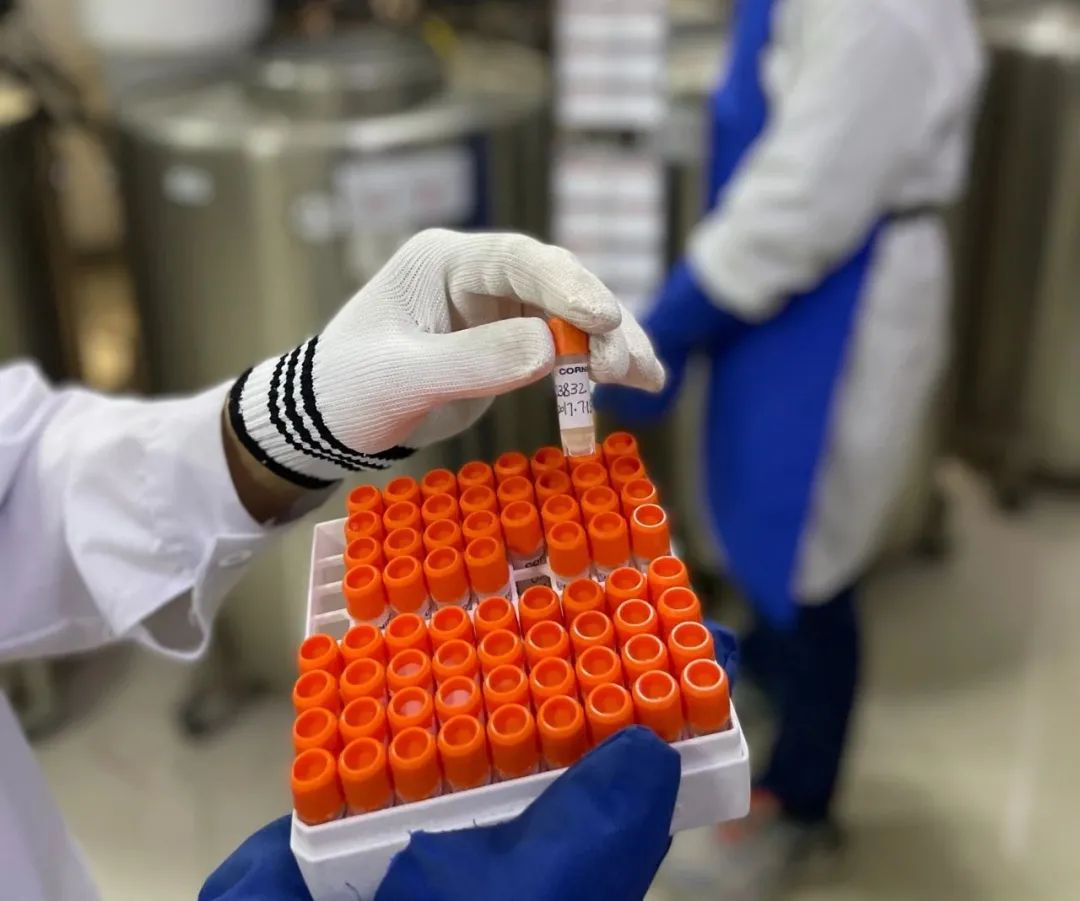
A: my country is one of the countries with the richest microbial resources. In 1999, the state launched the basic scientific and technological work tasks of microbial resources, and listed the collection, arrangement and preservation of microbial resources as a special project of national basic scientific and technological work. From the perspective of the largest national agricultural microbial preservation institution, the China Agricultural Microbial Culture Collection Management Center, 23,000 strains and 300,000 copies of strains have been preserved, belonging to more than 800 genera and more than 3,000 species, covering fertilizer microorganisms, edible fungi, feed microorganisms, plant protection microorganisms, agricultural environmental microorganisms, etc. On average, it provides 1,500 strains of strain services and technical services to more than 500 colleges and universities, research institutes, and biological enterprises every year, which strongly supports the development of my country's biological industry and scientific and technological progress.
However, my country has long lacked systematic and continuous investigation, collection and protection of agricultural microbial germplasm resources. Compared with developed countries such as Europe and the United States, there is still a big gap in preserved species diversity, preservation quality, identification and evaluation, intelligent management, efficient utilization, and international participation.
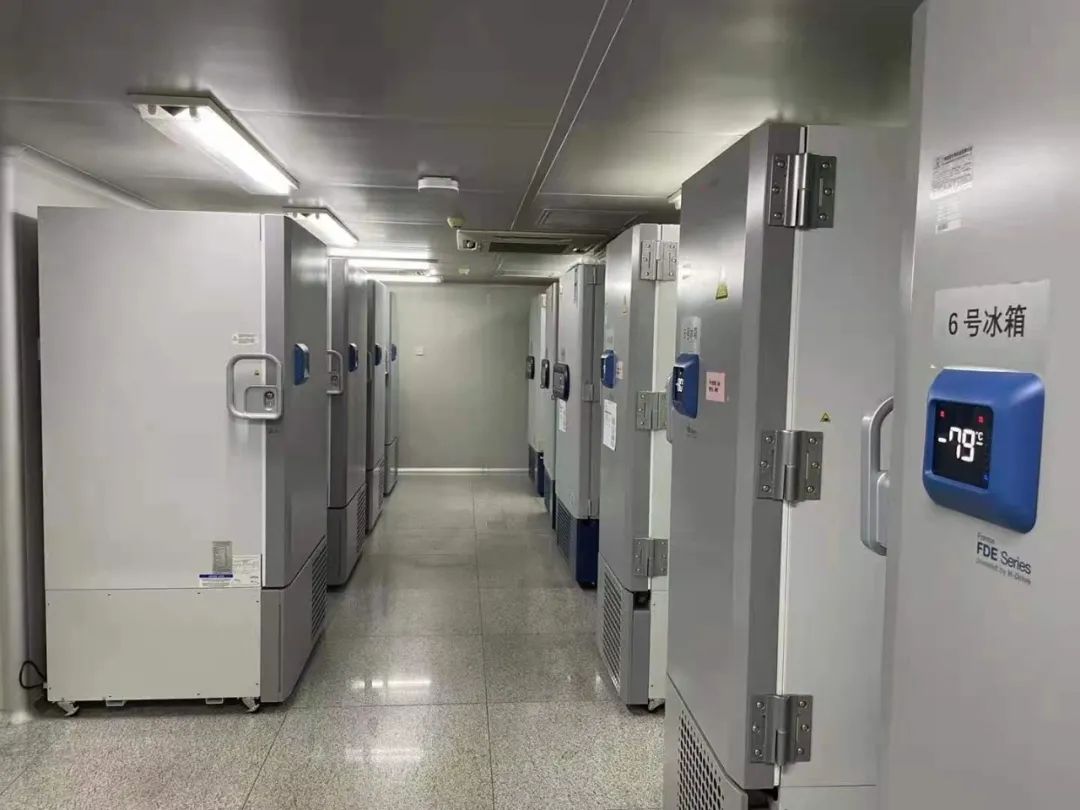
In general, the protection and utilization of agricultural microbial germplasm resources in my country face severe challenges. First, the protection and utilization system needs to be improved. Before the release of the Opinions, my country's agricultural microbial germplasm resources lacked an overall layout and unified deployment, resource surveys were not systematic, and repeated investment and low-level development were serious. Second, accurate identification and systematic evaluation need to be improved. There are many types of microorganisms and diverse metabolisms. A large number of agricultural microbial germplasm resources with scientific value and application prospects are "hidden in the bank without anyone knowing", which limits the transformation of germplasm resources into core competitiveness to support the development of the seed industry, make up for the shortcomings in resource protection and utilization, and solve the problem of "stuck neck" in seed sources. Third, the construction of the National Agricultural Microbial Germplasm Resource Bank needs to be strengthened. Agricultural microbial germplasm resources require professional preservation technology, diverse preservation methods and special preservation facilities. Through visits and surveys, it was found that the preservation units across the country generally have insufficient funds, simple equipment, single means, and unfavorable sharing. Resources are facing the risk of pollution, degradation, and even loss. It is urgent to increase investment in hardware facilities, professional teams, and information integration. There is a long way to go for the protection and utilization of agricultural microbial germplasm resources in my country.
Reporter: At present, food security and ecological environment protection are the top priorities for development during the 14th Five-Year Plan period. The research and utilization of microbial resources with modern biotechnology as the core has become a strategic focus of global biological resource competition. In the future, in which aspects does agricultural microbial germplasm resources need to be strengthened to promote the high-quality development of national agriculture?
A: Microorganisms may be the breakthrough point for the next agricultural revolution. In 2019, the U.S. National Academy of Sciences, the National Academy of Engineering, and the National Academy of Medicine jointly released a research report, listing microbial research as one of the five major research directions that need to be broken through in the agricultural field in the next 30 years. This indicates that agricultural microorganisms will play an important role in the future national economy and people's livelihood.
Therefore, the work on agricultural microbial germplasm resources should be aligned with international strategic trends, adhere to the "four aspects", and promote the high-quality development of national agriculture from the following aspects. First, facing the major needs of the country, the National Strain Resource Bank will take the lead in further improving the protection and utilization system of agricultural microbial germplasm resources, formulating and issuing registration rules for agricultural microbial germplasm resources, standardizing technical requirements, promoting resource collection and unified identity information registration, and building a national agricultural microbial germplasm resource bank and big data platform to provide support for national strategic decision-making; second, facing the forefront of science and technology, deepening the research on microbial diversity, developing and utilizing advanced technologies such as microbiome and culture genomics, exploring new resources, new mechanisms, and new functions, and revealing the mechanisms and laws of agricultural microorganisms from the individual, group, and interaction levels; third, facing the main battlefield of agriculture, giving play to the resource advantages of microorganisms, developing new and efficient microbial functional products, and solving outstanding problems in agricultural production; fourth, facing the health of the people, improving the agricultural microbial detection and risk assessment mechanism, developing probiotic and multifunctional microbial foods and health products, and meeting the growing health needs. Source: Farmers' Daily Author: Farmers' Daily China Agricultural Network reporter Sun Mei