Commercial organic fertilizer is different from manure... Commercial organic fertilizer and manure can both supplement organic matter and promote the formation of aggregate structure. However, in terms of green, healthy and sustainable development, commercial organic fertilizer has more advantages. This is because commercial organic fertilizer and manure have many differences.
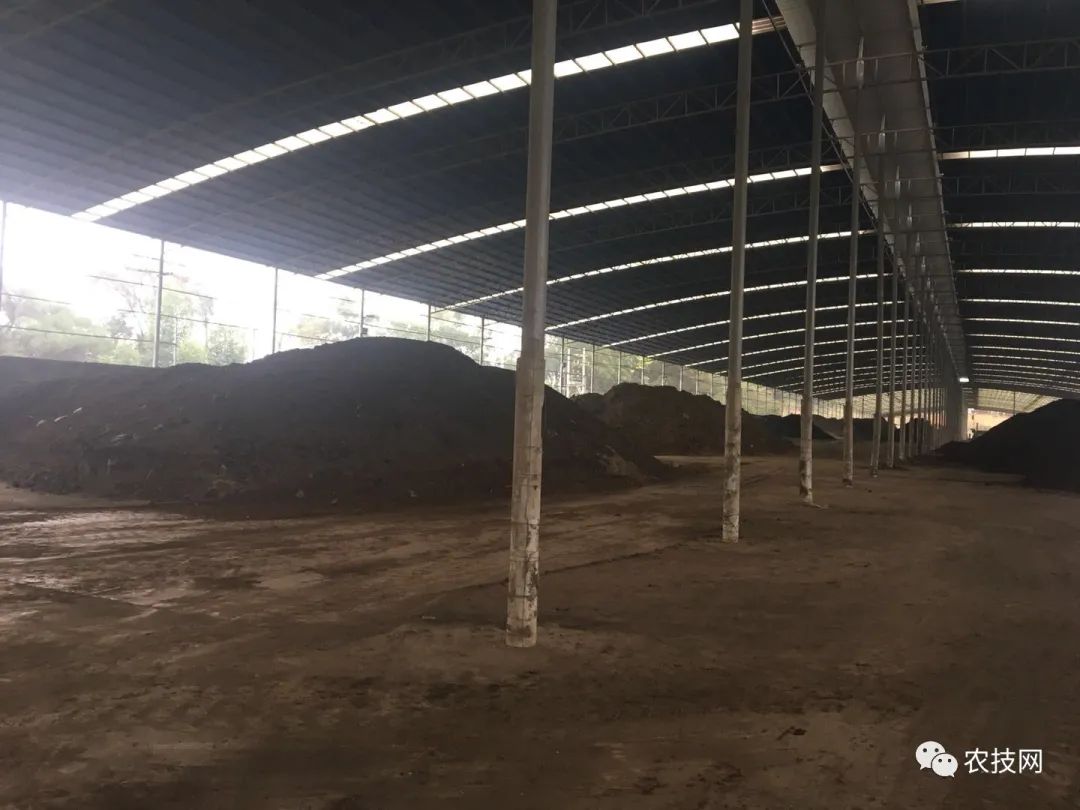
Organic Fertilizer
First of all, commercial organic fertilizer is "harmless" than manure.
The key difference between the two fertilizers is "mature" and "harmless". Compared with commercial organic fertilizers, manure has many defects:
manure
First, it contains more salt, which easily causes soil salinization.
Second, manure contains a large number of pathogens and insect eggs, which can easily cause pests and diseases in the greenhouse;
Third, the nutrient content of manure is unstable, and it is difficult to provide reasonable fertilizer supplementation.
Fourth, if the manure contains harmful substances and heavy metals, high-temperature fermentation alone cannot remove them.
Livestock and poultry manure has both advantages and disadvantages for soil, and the two aspects can be transformed into each other under certain conditions. The advantages of livestock and poultry manure are that it can be used as fertilizer to fertilize farmland soil; regular application of manure can also improve the soil's ability to resist weathering and water erosion, change soil ventilation and farming conditions, and increase the growth of soil organic matter and beneficial microorganisms.
The disadvantages are: excessive use of untreated manure can harm crops, soil, surface water and groundwater quality. In some cases (usually fresh manure), seedlings can be burned; large-scale use of manure can also cause the accumulation of dissolved salts in the soil, increasing the salinity of the soil and affecting plant growth. It is reported that in 1999, 31% of pastures in Africa were salinized due to pollution from livestock and poultry manure, resulting in a decrease in soil fertility.
☉Secondly, commercial organic fertilizers are more effective in improving soil. If the soil is in poor condition, using commercial organic fertilizers to improve it is faster than using manure.
This is because commercial organic fertilizers have two characteristics: cleanliness and complete maturity. In the production process, commercial organic fertilizers are not only sterilized and insecticidal at high temperatures, but also fully fermented by microorganisms. In addition, oxygen and fermentation temperature are well controlled, so that organic matter is fully decomposed into humus that directly forms a granular structure, while the amino acids and beneficial metabolites produced are retained. After use, no substances that affect vegetables will be produced.
☉Secondly, the nutrient ratio of commercial organic fertilizer is more reasonable.
The various nutrients in commercial organic fertilizers are adjustable, and products with different nutrient contents can be used for different soil conditions.
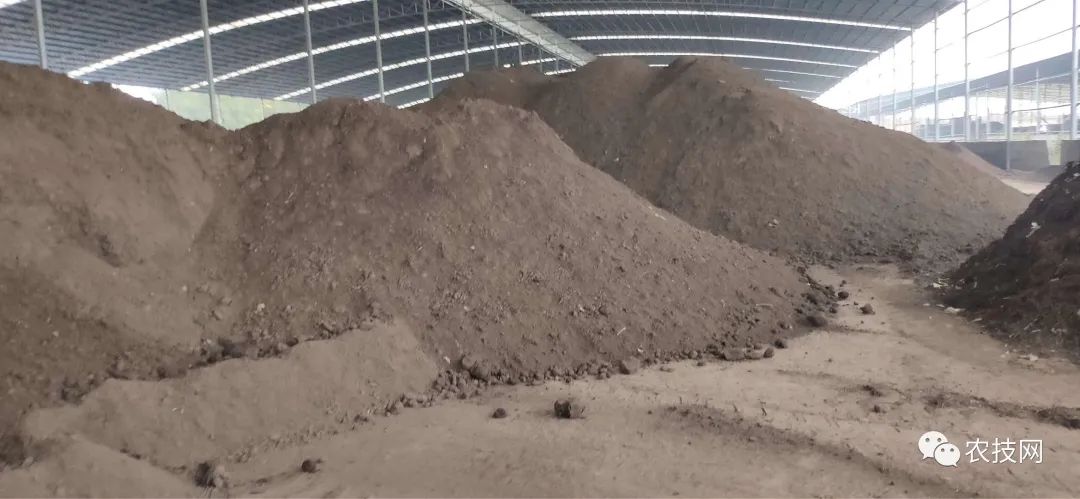
Organic fertilizer plant
☉What kind of commercial organic fertilizer should be selected for greenhouse soil improvement
There are many varieties of commercial organic fertilizers, and there are even more raw materials used to make commercial organic fertilizers. Therefore, when improving the soil, you should also choose the appropriate commercial organic fertilizer. So what raw materials can be used to make commercial organic fertilizers?
One is organic matter in nature, such as dead branches and leaves in forests.
The second is agricultural crops or waste, such as green manure, crop straw, soybean meal, cottonseed meal, and edible fungus residue.
The third is livestock and poultry manure, such as chicken and duck manure, pig manure, cattle, sheep, horse manure, rabbit manure, etc.
Fourth, industrial waste, such as wine lees, vinegar lees, cassava residue, sugar residue, and monosodium glutamate fermentation amino acid tail liquid. After harmless treatment, the commercial organic fertilizer produced from these raw materials can be used for greenhouse vegetable production.
Commercial organic fertilizers are divided into many categories according to their different functions. On the basis of supplementing organic matter, different functional substances such as macro, medium and trace elements, chitin, biological bacteria, etc. are added, which greatly enhances the effect of commercial organic fertilizers.
Two categories are analyzed here:
One is organic fertilizer containing chitosan. Chitosan has many functions, and many farmers have learned to use chitosan to grow and nourish roots. At the same time, for soil with root-knot nematodes, chitosan and avermectin can be used to prevent and control them. Chitosan is added to organic fertilizers. While improving the soil, chitosan can be used to inhibit the growth of harmful bacteria such as molds, increase the number of beneficial bacteria such as actinomycetes, and reduce the occurrence of soil-borne diseases. After the vegetables are planted, the role of chitosan in root nourishment and root protection can also be fully exerted. It truly achieves the effect of improving soil, preventing diseases, nourishing roots and protecting roots. The smart brand functional organic fertilizer of Jinan Apollo Chitosan Fertilizer Co., Ltd. is at the forefront of commercial organic fertilizers in this regard.
The second is organic fertilizer containing biological bacteria. The combination of biological bacteria and organic fertilizer can improve the soil faster and better. It has two main characteristics:
First, it is rich in beneficial microbial flora, has strong adaptability to the environment, and is easy to exert population advantages.
Second, it is rich in physiologically active substances, such as indoleacetic acid, gibberellins, multiple vitamins, as well as amino acids, nucleic acids, and growth hormones.
Organic Fertilizer
☉Commercial organic fertilizer is different from manure fertilizer and its usage should be changed
Although commercial organic fertilizers and manure fertilizers can both improve soil, the methods of use are different. During the interview, the reporter learned that some farmers felt that commercial organic fertilizers were not as effective as manure fertilizers, which was because the methods of use had not changed. Here we remind everyone to do the following three things when using commercial organic fertilizers:
First of all, the base application should be sufficient.
Some farmers feel that commercial organic fertilizers are expensive and are not as good as manure fertilizers in terms of quantity. However, when improving the soil, sufficient organic matter must be added to achieve a certain effect. Because commercial organic fertilizers have been harmlessly treated, they will not burn roots or fumigate seedlings like manure. Therefore, when using commercial organic fertilizers, use a sufficient amount.
Secondly, the application of fertilizers in holes and ditches must be correct.
Many vegetable farmers use organic fertilizers in holes or furrows, but it is important to keep a certain distance from the plant roots. For example, you can apply it in the furrow between two rows of vegetables, or in holes between two plants.
Again, pay attention to combining with other fertilizers.
The main function of commercial organic fertilizer is to improve soil and maintain soil ecology. The macro, medium and trace elements contained in it are limited after all. When used in high-income cash crops, it must be used in conjunction with other types of fertilizers, such as biological fertilizers, macronutrient water-soluble fertilizers, etc.